Our story
Built for the millionaires of 1889
Six years, and a boom that paid for them
Parkersburg in the 1880s was an oil and gas town with new money in it, and this is the building that money put up.
Ground broke in 1883. The doors did not open until May 6, 1889, six years later, which tells you most of what you need to know about the ambition behind it. Colonel William Nelson Chancellor did not set out to build a good hotel for Parkersburg. He set out to build the best one in West Virginia, and he built it for the men the oil and gas boom had just made rich.
The boom passed. The building did not.
What it opened with
Gas and electric systems together, wired and plumbed by local firms, with steam heat throughout. An electric passenger elevator, which almost nobody in the state had yet, and a second elevator for service.
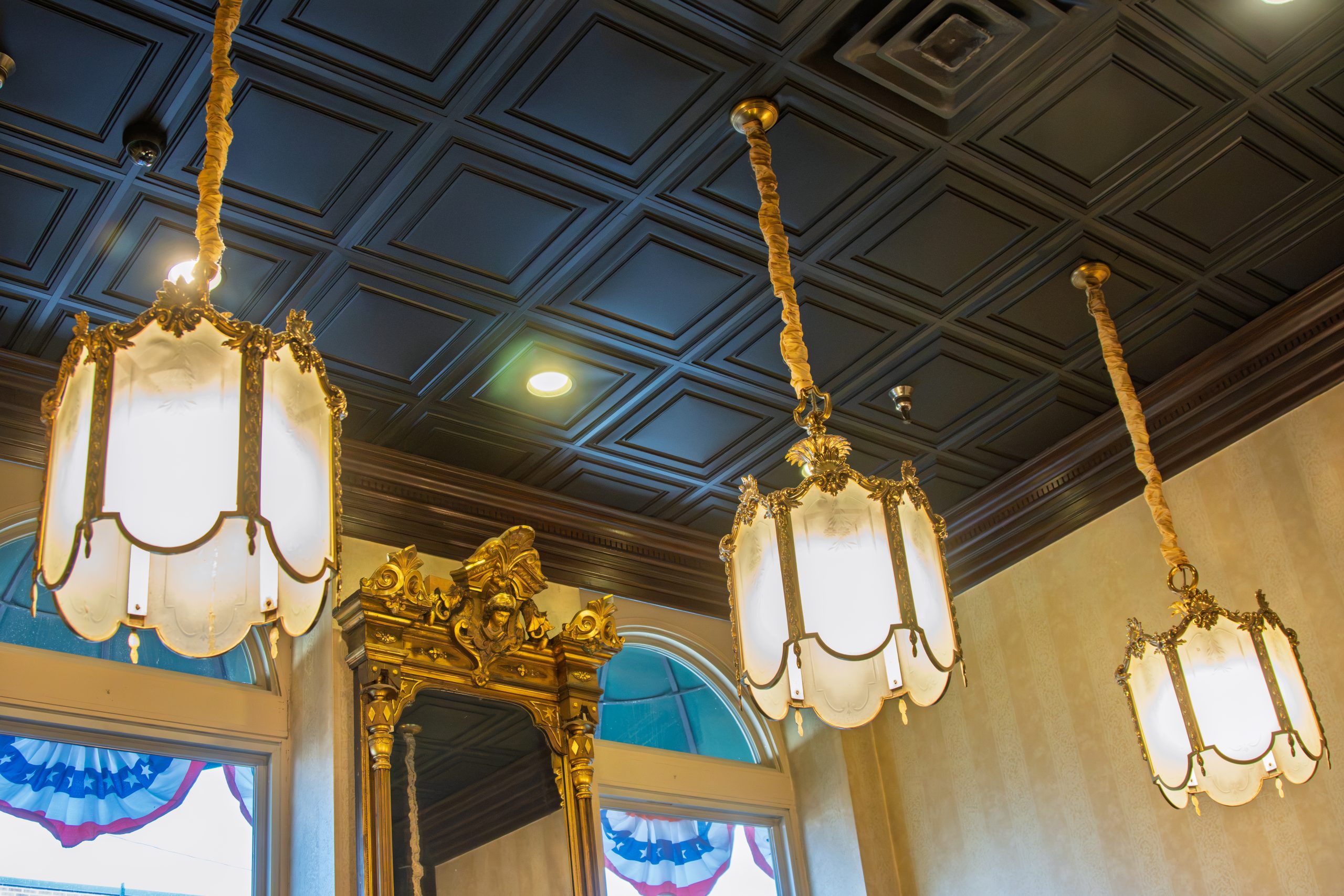
Artisans from Cincinnati painted the frescoes. Bentley and Gerwig furnished the public rooms: double parlors, an upright piano, and a grand mirror in the lobby set behind a guard to keep it intact.
The dining room sat on the second floor and held eighty. The kitchen was put on the fifth, deliberately, so that a kitchen fire would burn upward and away from the guests rather than through them.
Lit by gas and electricity, in 1889
Parkersburg had only put up its first electric street lights the year before. The hotel is reputed to be among the first buildings in the city wired for working electricity, and possibly the first of all.
The building, by date
Three major renovations, one fire, and one stretch where it very nearly did not survive.
| When | What happened |
|---|---|
| 1883 | Ground is broken on Fourth and Market. Construction runs six years. |
| May 6, 1889 | The hotel takes its first guests, lit by gas and electricity. |
| 1890s–1910s | Chancellor’s First National Bank operates from inside the building. |
| 1944–45 | First major renovation, under Nelson C. Burwell, Chancellor’s grandson. Terrazzo lobby floor and a marble facade. |
| Late 1970s | The hotel deteriorates and stops operating as a hotel. Rooms become apartments for about thirty elderly tenants, and part of the lobby becomes a shop called the Brass Works. |
| May 9, 1979 | A fire starts in a second-floor linen closet. The Parkersburg Fire Department holds it below the fourth floor. |
| 1980 | Local citizens and Pennsylvania investors organise to bring the building back. |
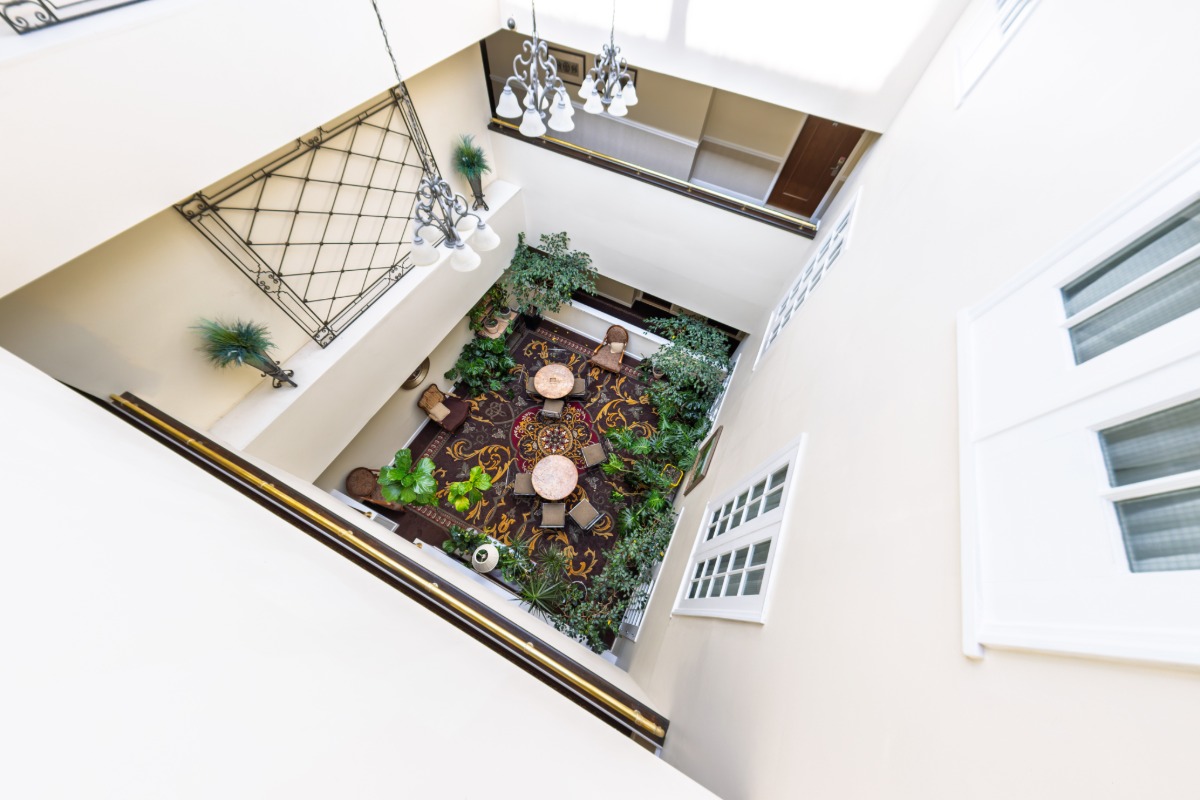
| 1985–86 | Second renovation, more than seven million dollars. A ballroom and promenade, a third-floor atrium with rooftop skylights, new elevators, and the library. Room count reaches roughly 104. |
| 2002–2006 | Third renovation, over ten million dollars, working down from the fifth floor. Roughly 104 rooms become 82. |
| March 2020 | A surviving section of the 1944 terrazzo floor is restored and put on view in the library. |
| 2026 | The hotel becomes The Blennerhassett, a Giovanni Hotel and Spa. |
The working library
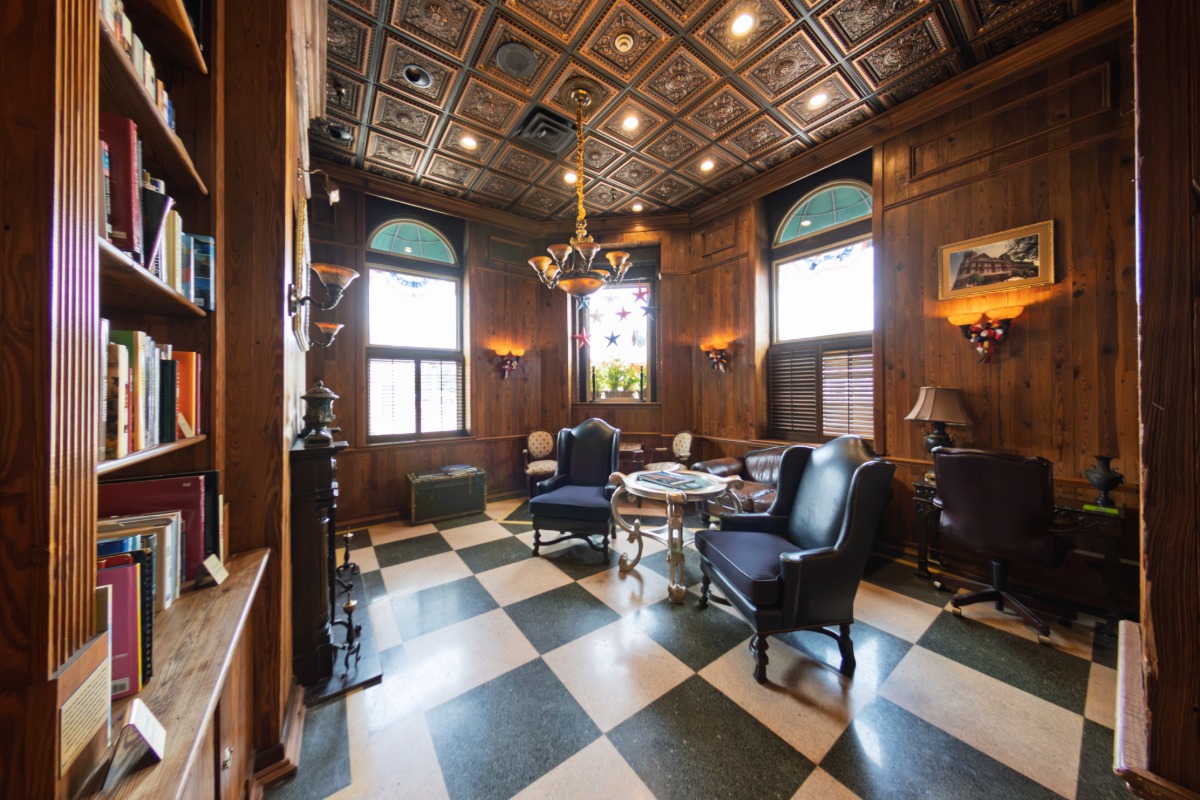
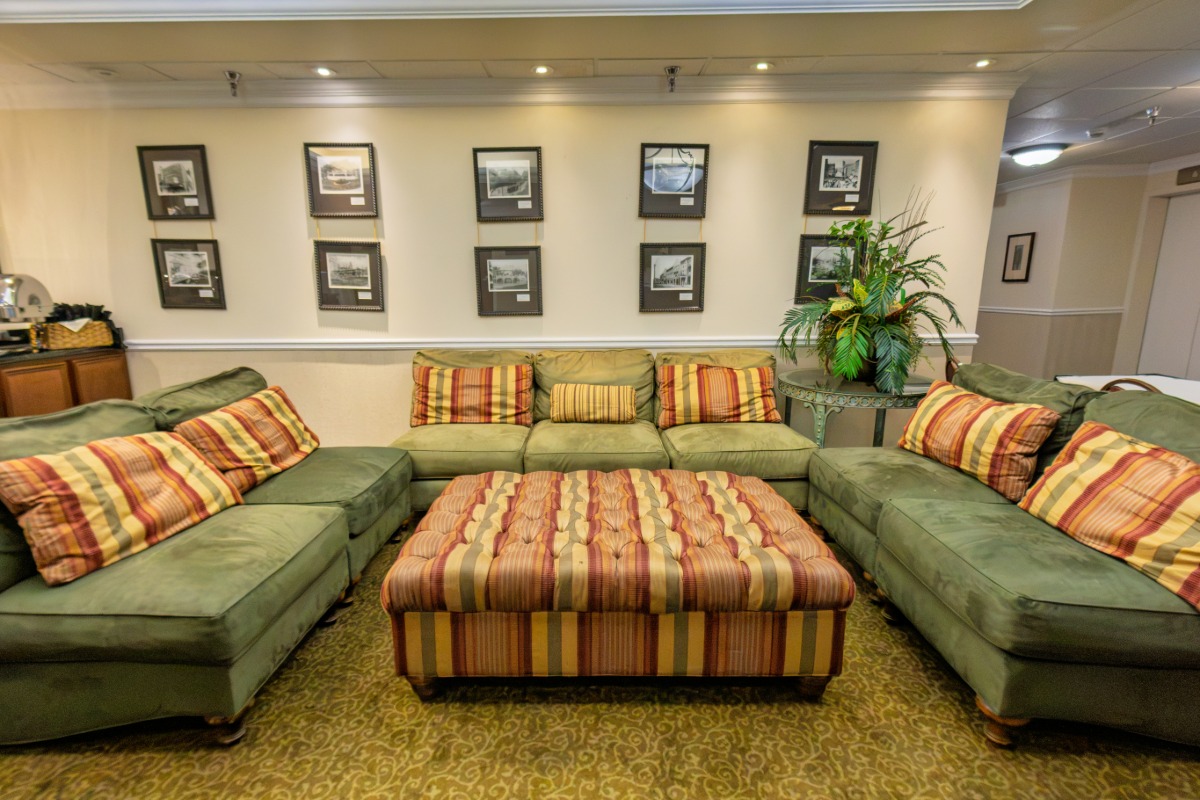
The library came in with the 1985 renovation and it has been filling up ever since, mostly from the community. More than a thousand volumes now: history, geography and travel, non-fiction, thrillers, nature and animals, a section for children, and a shelf of regional authors worth more than any guidebook.
Guests are meant to take a book upstairs. That is the entire point of it. Book drives keep the shelves turning over and send the surplus on to nursing and personal care homes in the area.
There are game tables for chess and checkers, a working gas log fireplace with brass fittings, and a preserved section of the 1944 terrazzo floor, restored and put on view in March 2020.
Chancellor’s other career
Chancellor was twice mayor of Parkersburg. He also ran the First National Bank, having started there as a teller and worked up to president, and he ran it from inside this building: the bank operated out of the hotel into the 1910s.
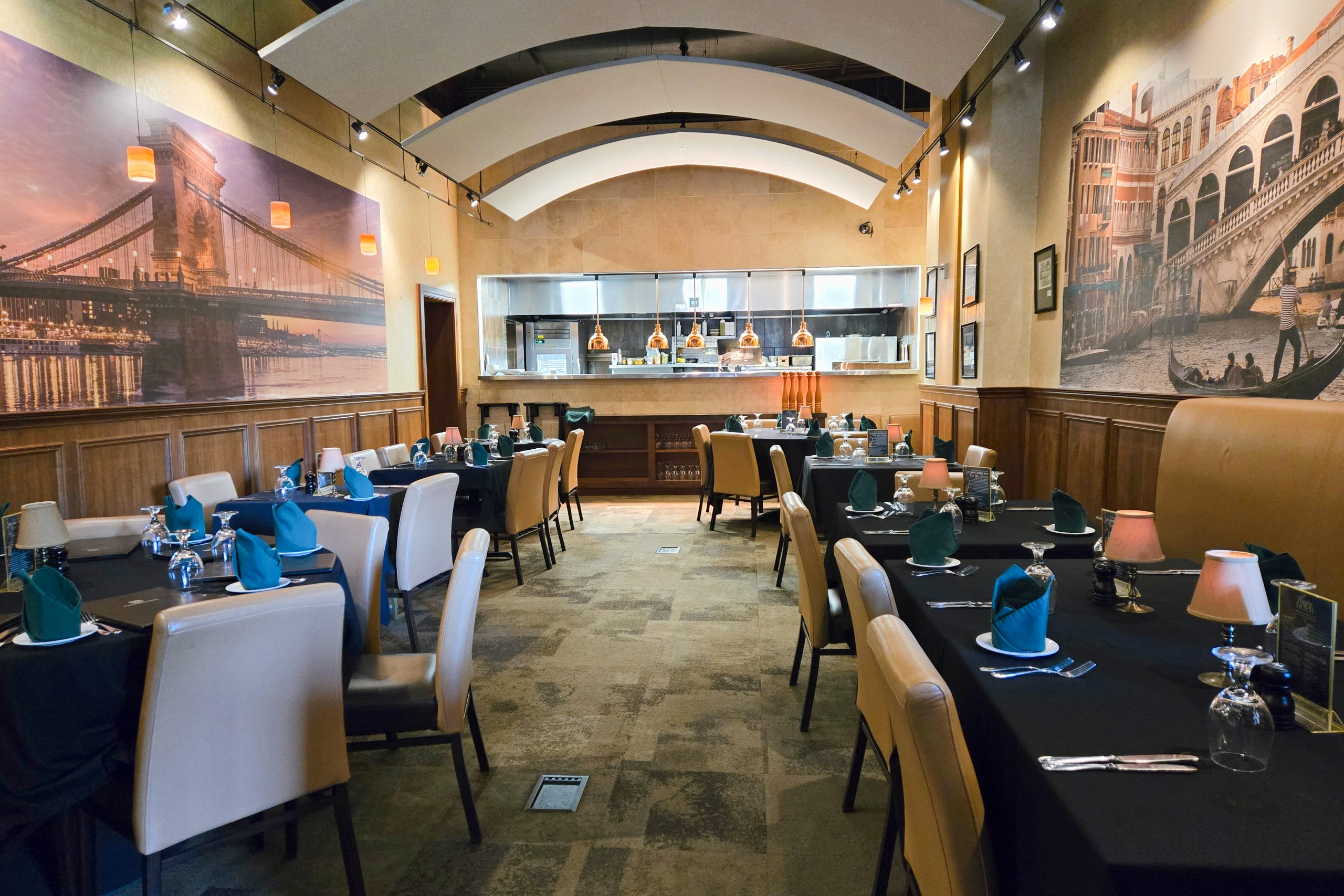
The restaurant carries his name for that reason. A man who put a bank, a dining room, and eighty sleeping guests under one roof would probably approve of the arrangement.
The Kaltenecker name in the sandstone
John Kaltenecker put up his building on Market Street at the same time, using the same architect, which is why the two share a face. The 1985 renovation absorbed it into the hotel.
His name is cut into the sandstone on the third floor. By the 2000s the weather had worn it nearly flat, and the third renovation restored the lettering rather than replace the stone.
1979, and the year after
By the late 1970s the hotel had stopped being a hotel. About thirty elderly tenants were living in the rooms as apartments and part of the lobby had been given over to a shop called the Brass Works.
On May 9, 1979, a fire started in a linen closet on the second floor. The Parkersburg Fire Department stopped it before it got past the fourth. The building then sat empty.
In 1980 a group of Parkersburg residents and investors from Pennsylvania put together the money to bring it back. Everything the hotel is now dates from that decision.
What the last renovation left
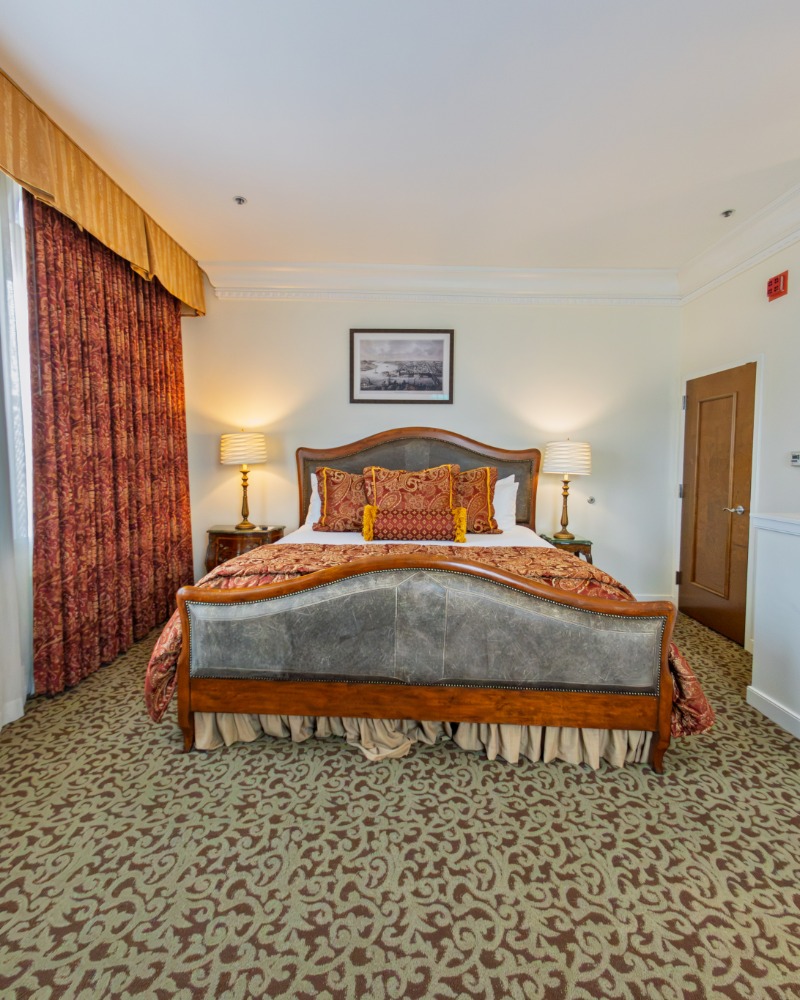
The 2002 to 2006 work started on the fifth floor and came down through the building, and it traded roughly 104 rooms for 82 larger ones. That is why the rooms are the size they are.
The block beside the hotel on Market Street was cleared and part of it became the garden patio. A wall in the main dining room was opened for doors onto it, a stage went in for summer evenings, and a climate-controlled tent went up so an event does not depend on the forecast.
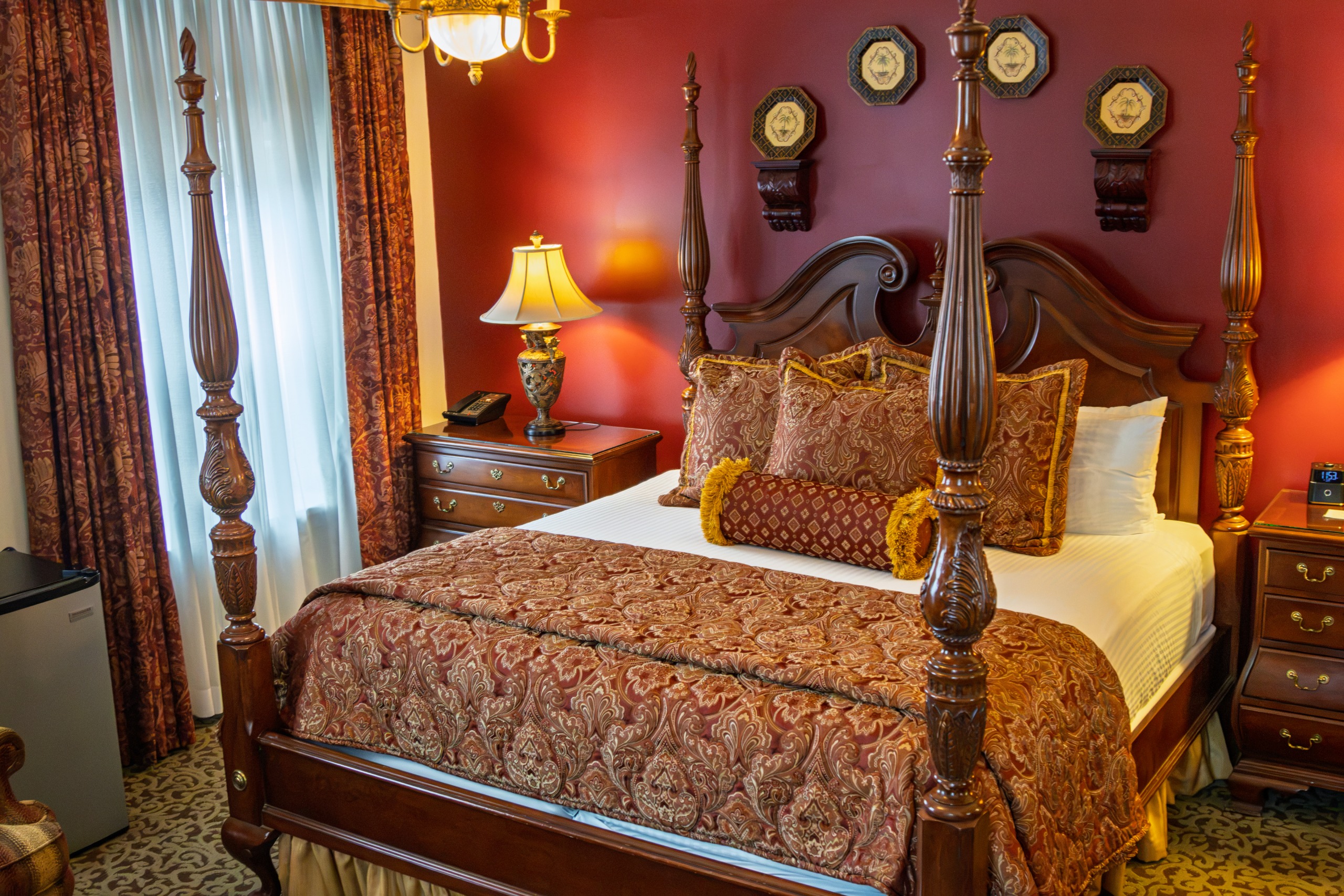
The suites carry the rest of the story, including the two nights in May 1960 when a senator from Massachusetts stayed here while campaigning for West Virginia.
Ask for a suite by name